
The arrival of the MV Hondius cruise ship at the Port of Granadilla in Tenerife has sparked intense political and legal debate on social media. In recent hours, many users have drawn comparisons between the direct state intervention in managing the potential hantavirus outbreak and the response to the DANA (a severe weather event), where much of the coordination fell on affected regional governments. In response to criticism, various legal experts, administrative law specialists, and profiles focused on territorial politics have begun explaining that both cases fall under completely different competency frameworks and, legally, are not comparable situations.
In the case of the hantavirus-infected cruise ship, the vessel arrived at the Port of Granadilla, an infrastructure classified as a “port of general state interest.” The management of such ports falls under the Port Authority and the Directorate General of the Merchant Navy, both dependent on the Ministry of Transport. Therefore, the central government had legal authority to authorize the docking and coordinate the operation, even in the face of opposition from the Canary Islands Government.
Furthermore, the operation was linked to international maritime and health regulations. The government argued that Spain had a legal and humanitarian obligation to offer a safe port to the ship, in coordination with the WHO, the European Union, and more than twenty countries involved in the evacuation of passengers.
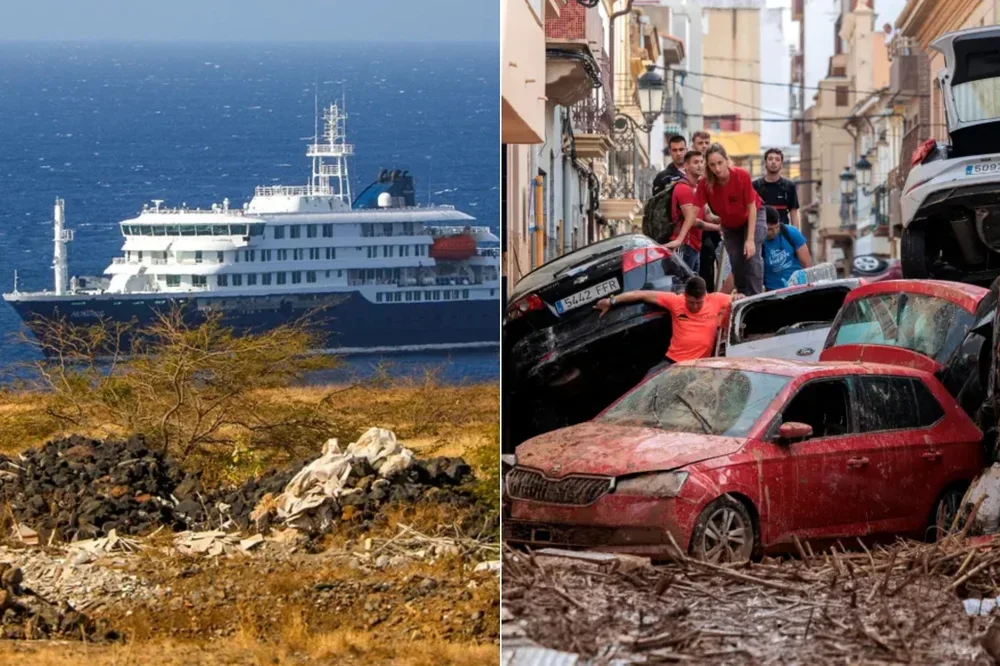
The DANA situation was different because it primarily involved civil protection emergencies within the territory of several autonomous communities. In Spain, the ordinary management of emergencies, evacuations, and civil protection initially falls to the regional governments, unless the central government declares extraordinary mechanisms such as a state of alarm or assumes coordination at the request of a region or for reasons specified in legislation. During the DANA, the state deployed national resources such as the UME (Military Emergency Unit), the Civil Guard, and the National Police, but the direction of many actions still depended on the competent regional authorities. There was no exclusive state domain equivalent to that of a port of general interest.
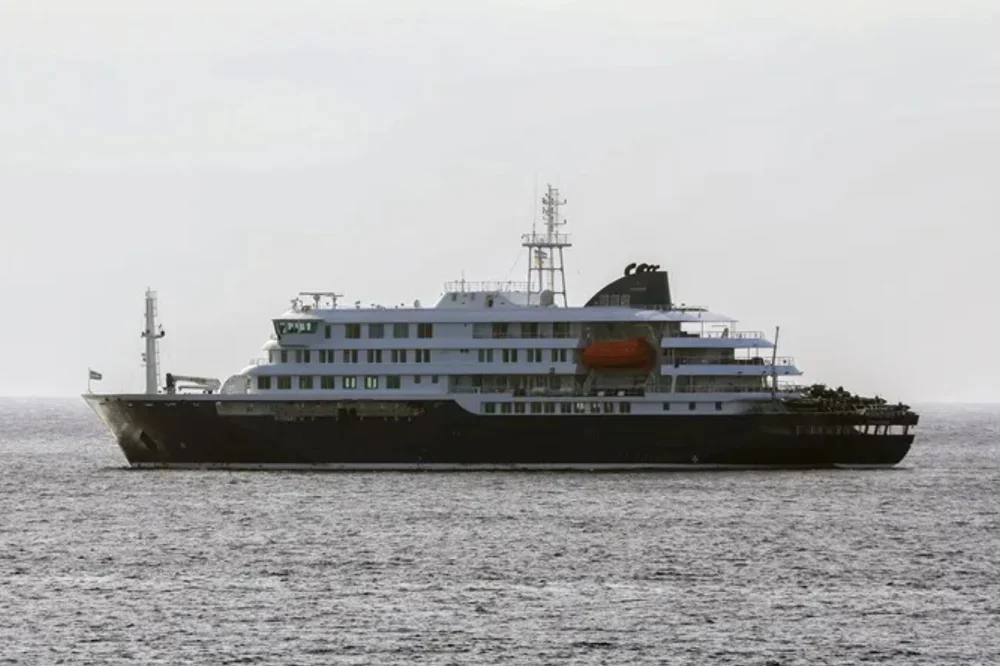
Thus, the key difference lies not so much in the severity of both situations but in who legally holds direct competence over each scenario. In the case of the MV Hondius, the state acted on a state-owned port and international maritime navigation. During the DANA, most decisions fell under regional competencies for emergencies and civil protection.